SCOTT DAVE CUSTOM WOOD DOORS

A field guide to the materials

Get to know
the wood.

Meet the trees behind the door. Explore their grain, where they grow and the people who found a use for them.

Choose a species

Quercus species · chiefly Q. alba

White Oak

Open grain. Quiet warmth.
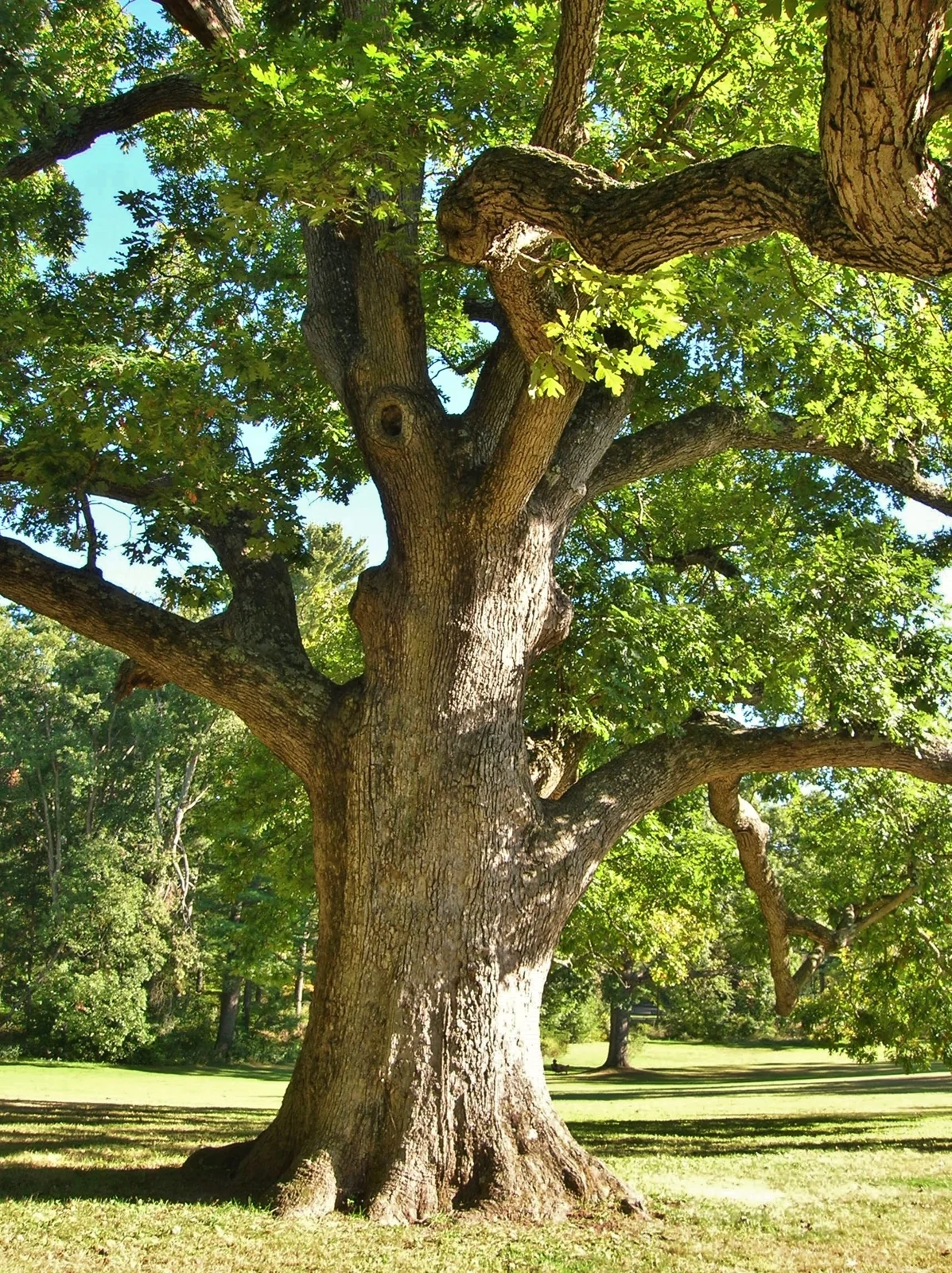
The tree
White oak · West Hartford, Connecticut
The wood
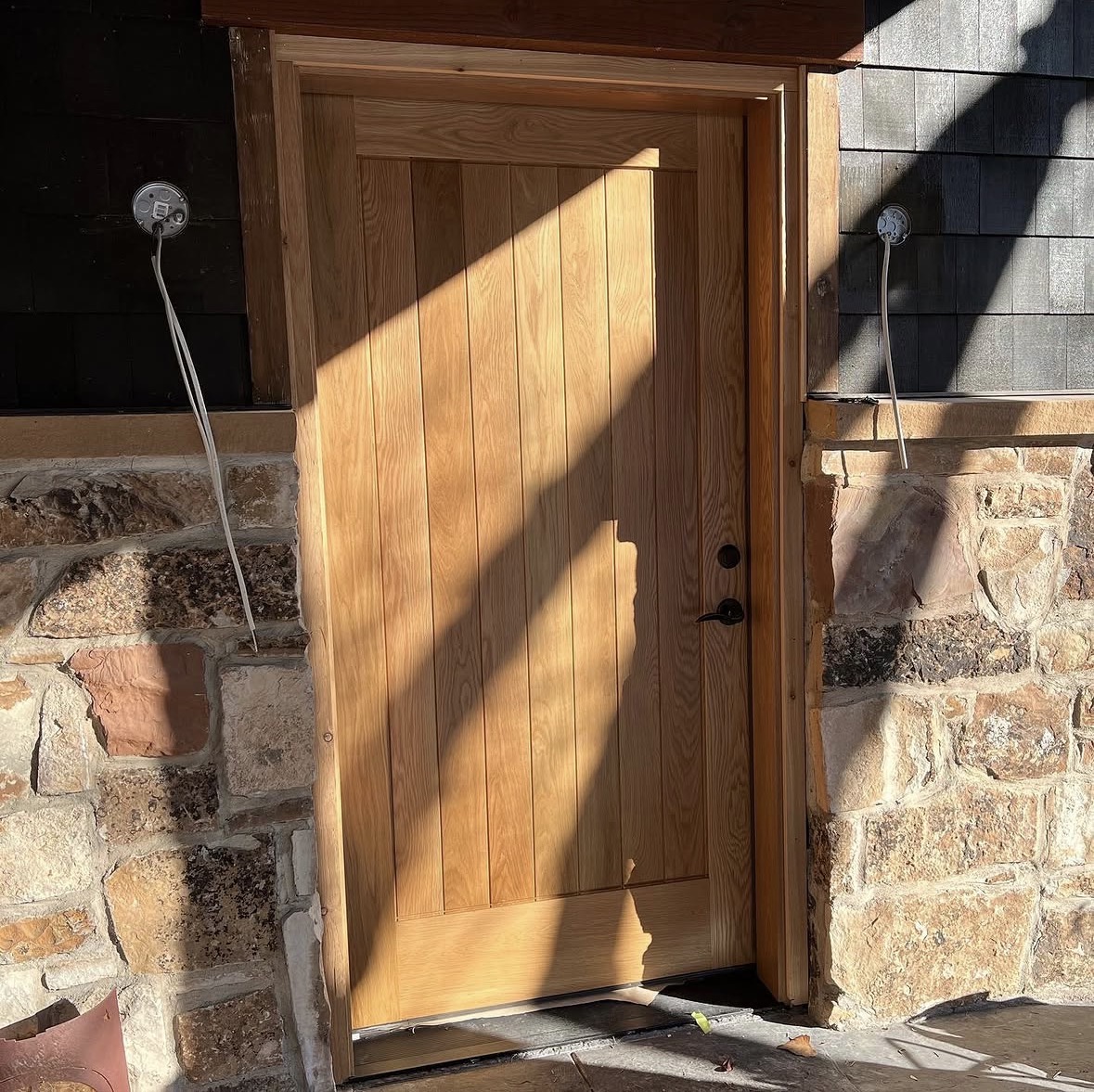
White oak · a finished door from Scott’s work

What to notice

  • Visible grain & ray fleck
  • Light to medium brown
  • Hard, heavy wood

Light to medium brown with visible grain. Quarter-sawn boards can show the distinctive ray fleck associated with oak.

Where it grows

Eastern North America

American white oak grows in mixed hardwood forests across much of the eastern United States. The lumber name includes several related oak species.

Forests, farms & plantations

Commercial lumber comes from these forest regions, including the Appalachians and Midwest. It is a forest-grown timber, rather than a crop that needs a dedicated plantation.

Wood & people

Boston, Massachusetts · Launched 1797

The shipbuilders of “Old Ironsides.”

White oak formed the inner and outer hull planking of USS Constitution. Her framing used a different wood—live oak. The combination shows how early American shipbuilders matched each timber to a particular job.

Read the story · U.S. Navy →
Sources & photograph credits

Species & history

Photographs

Tree photographs may show cultivated examples outside their native range. The region map describes growing areas, not where the photograph was taken or the verified origin of Scott’s lumber.
Juglans nigra · American black walnut

Walnut

Rich brown. Natural depth.

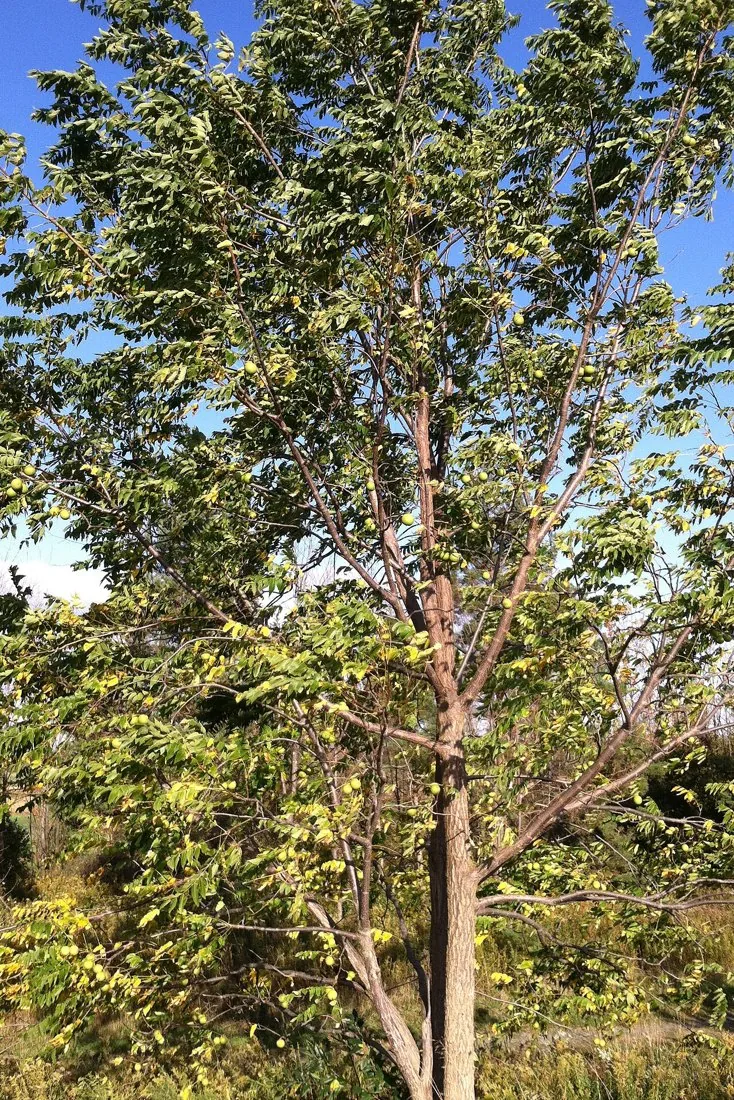
The tree
Black walnut · Juglans nigra, New York
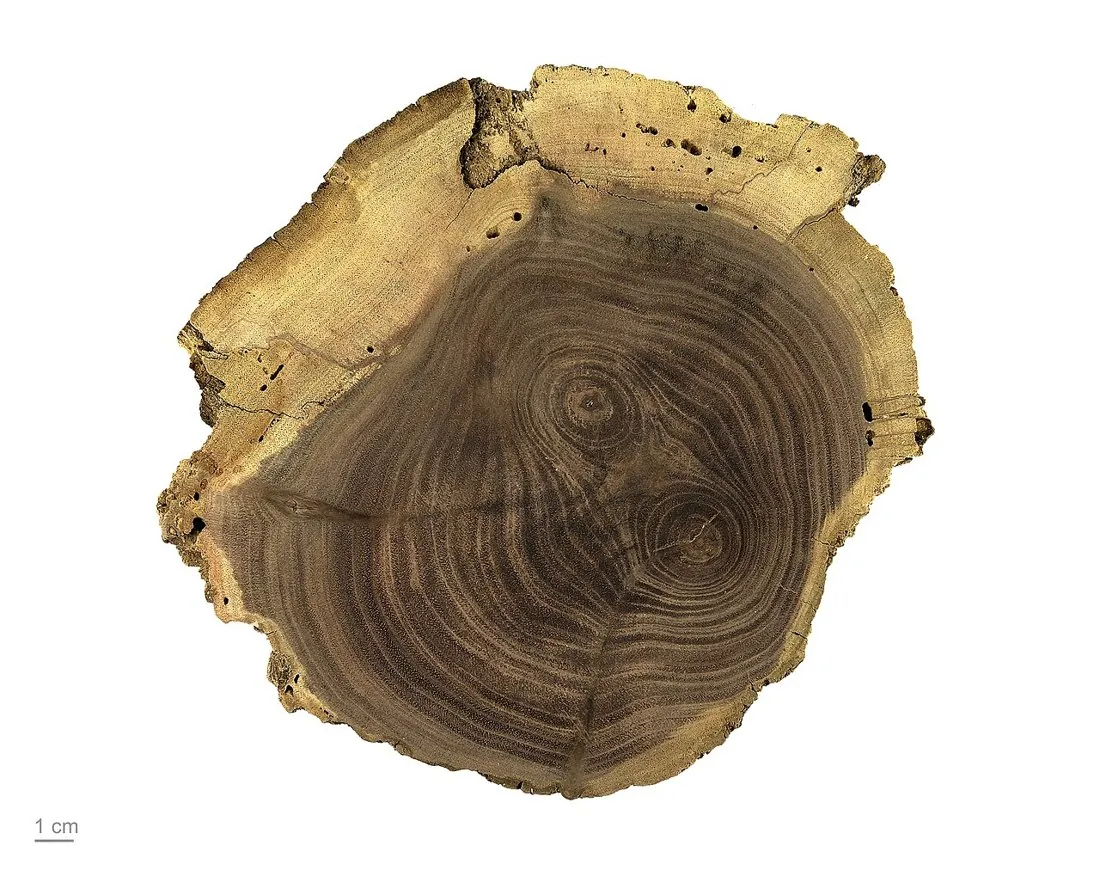
The wood
Black walnut · a wood specimen in cross section

What to notice

  • Fine grain
  • Brown heartwood
  • Pale sapwood contrast

Brown heartwood, often with deeper streaks, beside much lighter sapwood. The contrast is part of the tree’s natural character.

Where it grows

Central & eastern North America

Black walnut grows through the central and eastern United States and into southern Ontario. It favors good soils in the Midwest and Appalachians.

Forests, farms & plantations

Timber comes from natural forest trees and planted stands. Landowners also plant black walnut for future timber and nuts; walnut lumber is distinct from the English-walnut trees common in commercial nut orchards.

Wood & people

Boston, Massachusetts · About 1700–1730

A cabinetmaker’s walnut.

A Boston high chest now at The Met combines black walnut with other American woods. Its figured walnut fronts and dovetailed construction show the move toward lighter case furniture, away from the heavier framed forms of the previous century.

Read the story · The Met →
Sources & photograph credits

Species & history

Photographs

Tree photographs may show cultivated examples outside their native range. The region map describes growing areas, not where the photograph was taken or the verified origin of Scott’s lumber.
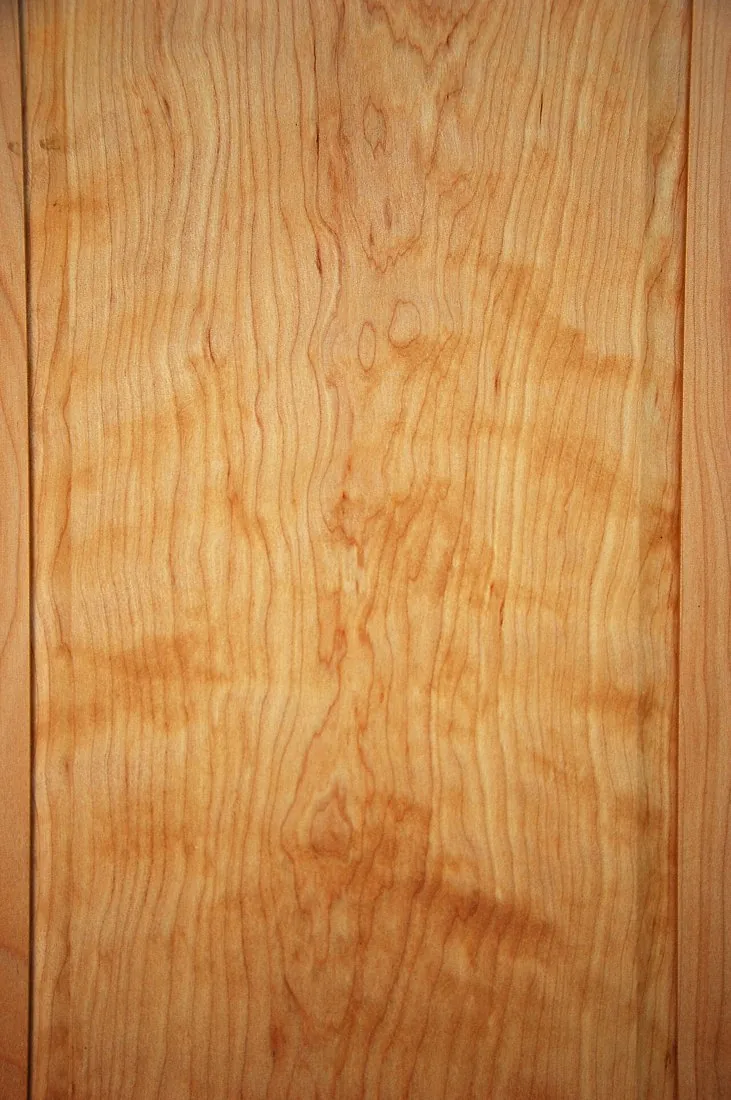
Prunus serotina · Black cherry

Cherry

Fine grain. Color that deepens.

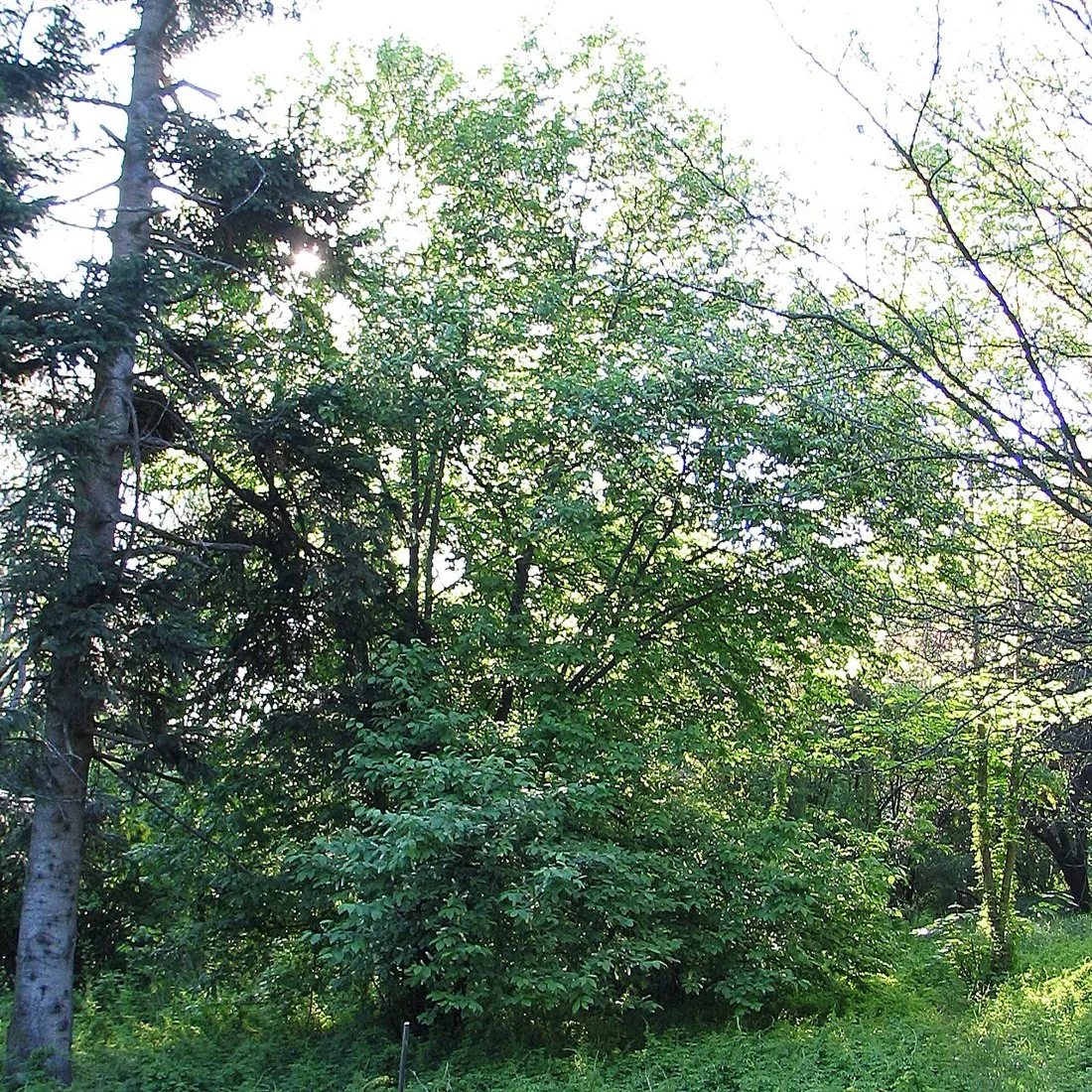
The tree
Black cherry · Prunus serotina
The wood
Black cherry · sliced veneer, showing the grain

What to notice

  • Fine, even grain
  • Deepens with light & age
  • Smooth finish

Fresh heartwood can be pinkish to reddish brown. Light and time deepen its color; small gum marks and pin knots are natural features.

Where it grows

Eastern North America · especially the Northeast

The timber cherry is black cherry, not an ornamental flowering cherry. Important commercial forests include Pennsylvania, New York, West Virginia and Virginia.

Forests, farms & plantations

Cherry is harvested from mixed hardwood forests. It regenerates naturally after openings and disturbance; its timber supply does not generally come from fruit-cherry orchards.

Wood & people

Shaker communities, northeastern U.S. · 19th century

Useful, simple, well made.

Shaker makers worked with local woods such as cherry, maple and pine. Their furniture favored useful forms, careful construction and little applied ornament. That approach still gives makers a great deal to learn from.

Read the story · The Met →
Sources & photograph credits

Species & history

Photographs

Tree photographs may show cultivated examples outside their native range. The region map describes growing areas, not where the photograph was taken or the verified origin of Scott’s lumber.

Carya species · A group of related hardwoods

Hickory

Strong contrast. Lively grain.

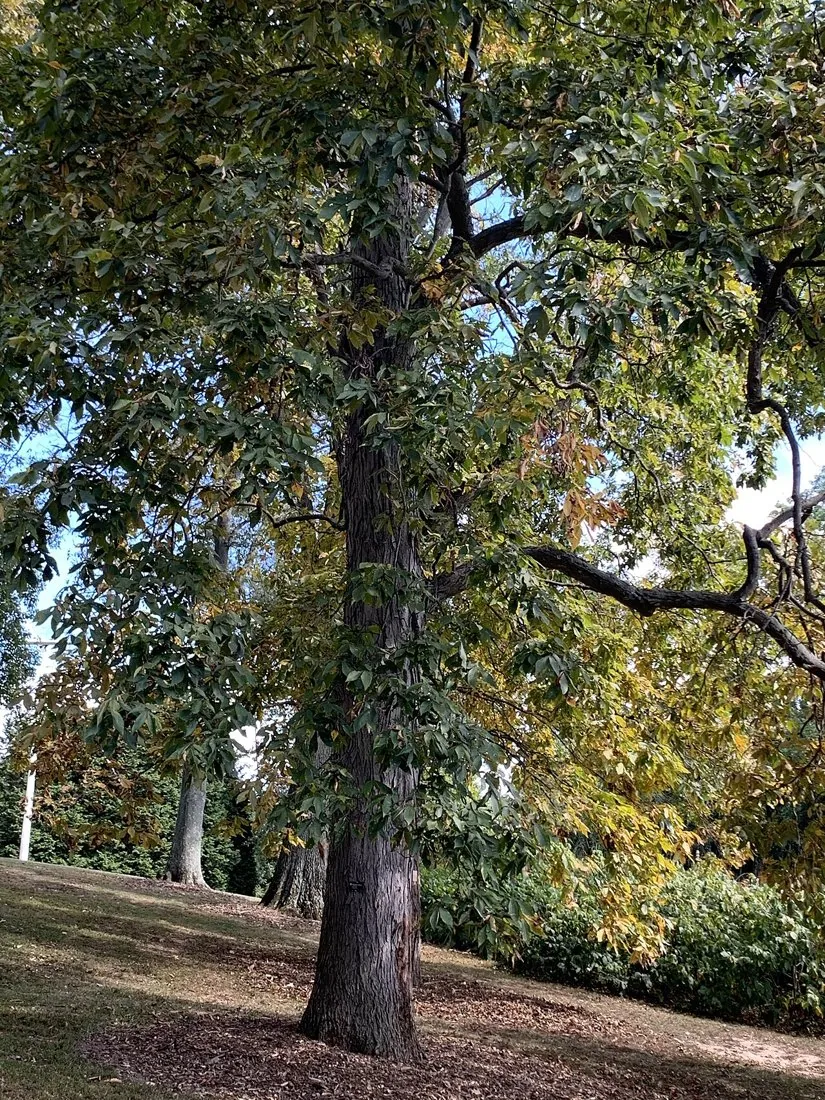
The tree
Shagbark hickory · Carya ovata, Philadelphia
The wood
Hickory · unfinished wood

What to notice

  • Strong light / dark contrast
  • Very hard wood
  • Good shock resistance

Pale sapwood and brown heartwood can create a pronounced contrast. Hickory is very hard and has good shock resistance.

Where it grows

Eastern North America

Hickories grow across eastern North America. Individual species have different ranges; shagbark hickory, for example, reaches from southern Canada into the eastern and central U.S.

Forests, farms & plantations

Commercial hickory is a forest hardwood. The lumber name covers several species, so the exact growing region depends on the stock being supplied.

Wood & people

Onondaga Nation, New York · A living tradition

Hickory and the game of lacrosse.

Onondaga players use handmade hickory sticks in traditional lacrosse. The Onondaga Nation describes a game with spiritual meaning as well as athletic skill, connecting the player, tree, land and Creator. This is a continuing practice, not only a story from the past.

Read the story · Onondaga Nation →
Sources & photograph credits

Species & history

Photographs

Tree photographs may show cultivated examples outside their native range. The region map describes growing areas, not where the photograph was taken or the verified origin of Scott’s lumber.
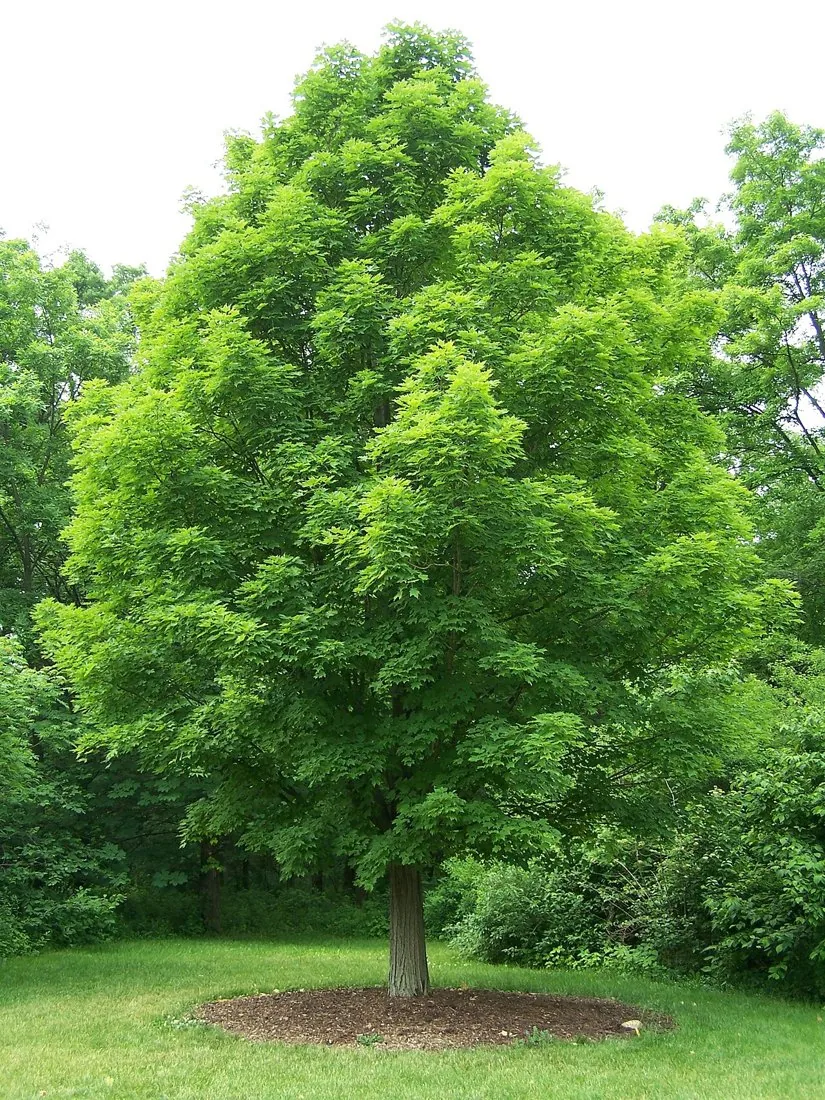
Acer saccharum · Hard / sugar maple

Maple

Pale color. Fine texture.

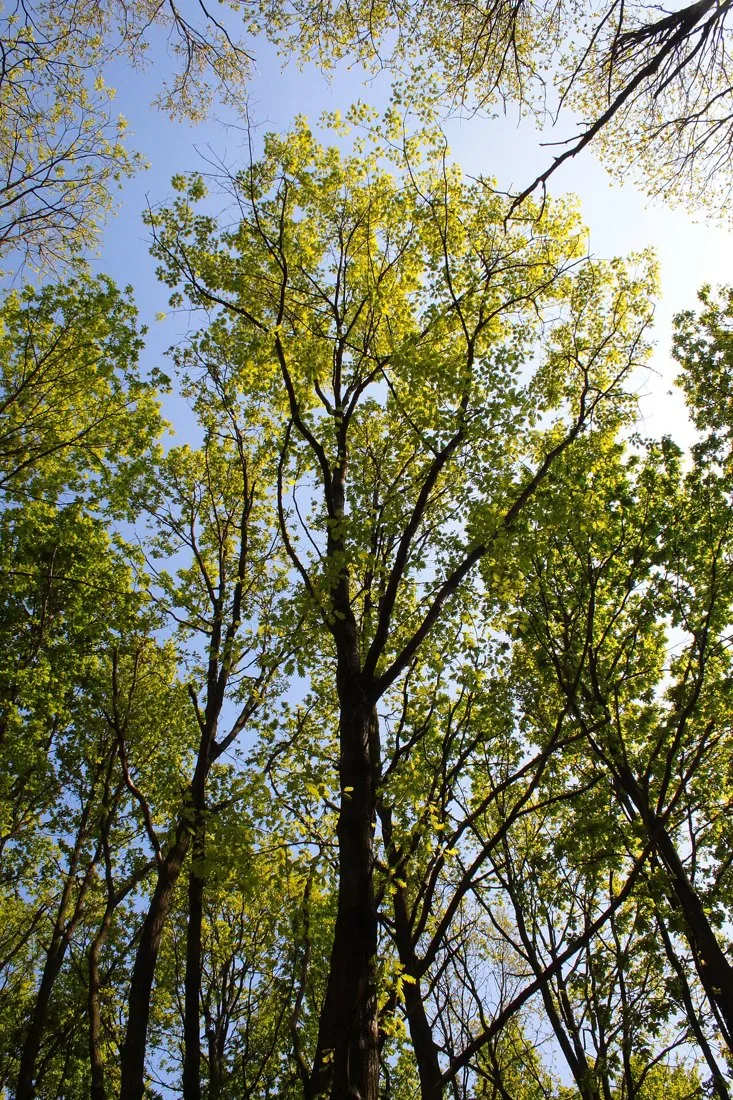
The tree
Sugar maple · Acer saccharum, Illinois
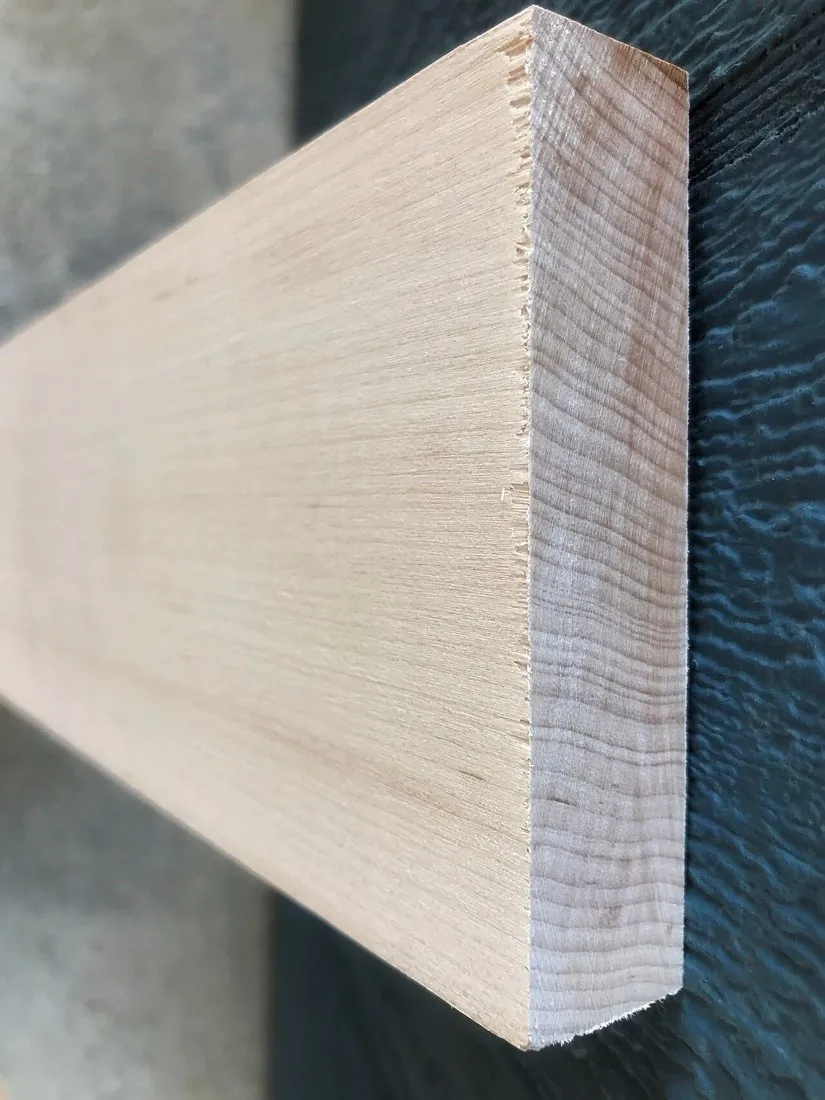
The wood
Hard maple · a quarter-sawn wood blank

What to notice

  • Fine, even texture
  • Creamy pale sapwood
  • High wear resistance

Usually selected for its creamy, pale sapwood and fine grain. Hard maple is dense and resists wear.

Where it grows

Northeastern North America & the Great Lakes

Sugar maple is native to eastern Canada and the northeastern U.S., extending through the Great Lakes and down parts of the Appalachians.

Forests, farms & plantations

Hard-maple lumber comes from northern hardwood forests. Sugar maple is also managed for maple syrup, although syrup production and timber harvesting are different uses of the tree.

Wood & people

Steinway, New York · Introduced 1963

Strength inside a piano.

Steinway’s Hexagrip pinblock uses seven layers of hardrock maple, with the grain directions staggered. The layered wood grips the tuning pins securely—a precise use of maple’s strength inside an instrument, rather than on its visible surface.

Read the story · Steinway →
Sources & photograph credits

Species & history

Photographs

Tree photographs may show cultivated examples outside their native range. The region map describes growing areas, not where the photograph was taken or the verified origin of Scott’s lumber.
Quercus species · including Q. rubra

Red Oak

Distinct grain. Warm undertones.

The tree
Northern red oak · Quercus rubra
The wood
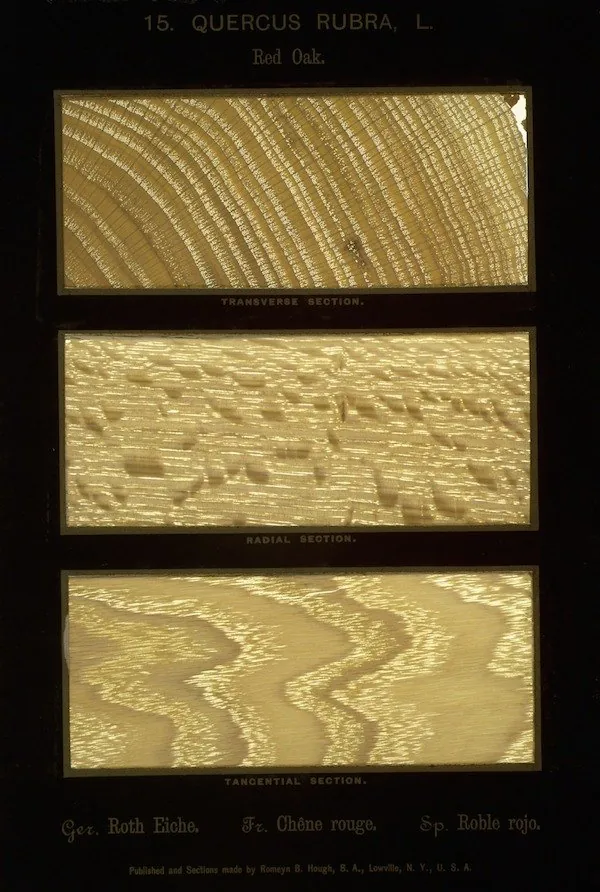
Red oak · samples from The American Woods

What to notice

  • Open, prominent grain
  • Often pinkish brown
  • Porous structure

Open, prominent grain and heartwood that often carries pink or reddish-brown tones. It is a different oak group from white oak.

Where it grows

Eastern North America

The red-oak lumber group grows widely across the eastern United States. Northern red oak also extends into southeastern Canada.

Forests, farms & plantations

Commercial supply comes from mixed hardwood forests, including northern, southern and Appalachian regions. The group includes multiple species with regional differences.

Wood & people

Massachusetts · About 1665–1673

The joined furniture of early New England.

Governor Thomas Prence’s court cupboard used red oak alongside cedar and maple. Cupboards like it displayed valued household possessions. Bright paint originally added color to the carved, turned and joined woodwork.

Read the story · Wadsworth Atheneum →
Sources & photograph credits

Species & history

Photographs

Tree photographs may show cultivated examples outside their native range. The region map describes growing areas, not where the photograph was taken or the verified origin of Scott’s lumber.
Swietenia species / Khaya species · Confirm the timber

Mahogany

Warm color. A furniture-making tradition.

The tree
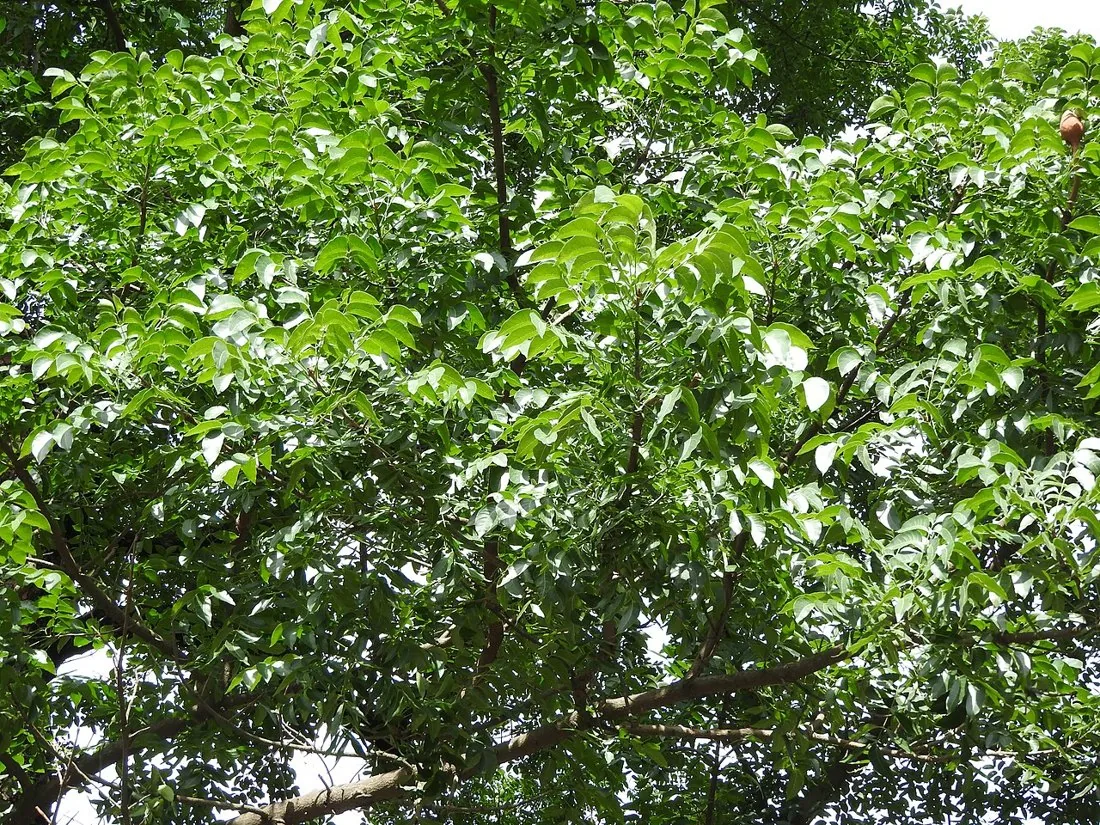
Bigleaf mahogany · Swietenia macrophylla, cultivated in India
The wood
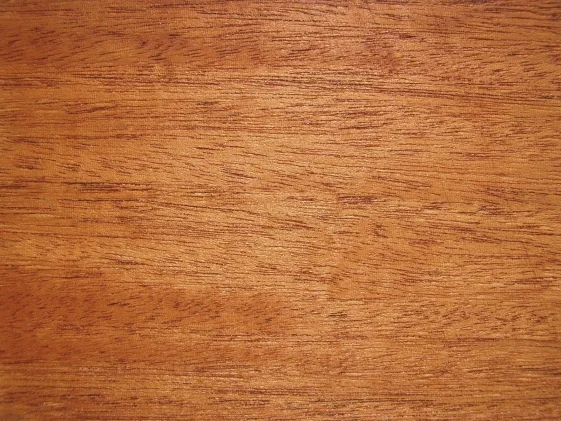
Bigleaf mahogany · oiled, sliced veneer

What to notice

  • Warm reddish-brown tones
  • Grain varies by species
  • Confirm the actual timber

Often warm reddish brown, with grain that may be straight or interlocked. Appearance and performance depend on the actual species.

Where it grows

Tropical Americas & tropical Africa

Genuine mahogany (Swietenia) is native to parts of tropical America. African mahogany (Khaya) is a separate group from tropical Africa. “Mahogany” alone does not identify a single species or country.

Forests, farms & plantations

American mahogany plantations exist within its native region and in places including Hawaii, Fiji and the Philippines. African mahogany is also plantation-grown, including in Brazil. The species and origin of Scott’s stock should be confirmed for each project.

Wood & people

The Atlantic world · 18th century

A wood with a complicated history.

American mahogany became a favored timber for elite British and colonial American furniture, including Chippendale designs. That trade also depended on enslaved labor and extensive forest cutting in the Caribbean and Central America. This history concerns American Swietenia, rather than every timber now sold as mahogany.

Read the story · The Met →
Sources & photograph credits

Species & history

Photographs

Tree photographs may show cultivated examples outside their native range. The region map describes growing areas, not where the photograph was taken or the verified origin of Scott’s lumber.
Acer species · commonly red and silver maple

Soft Maple

Fine grain. A starting point for paint.

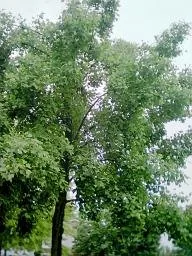
The tree
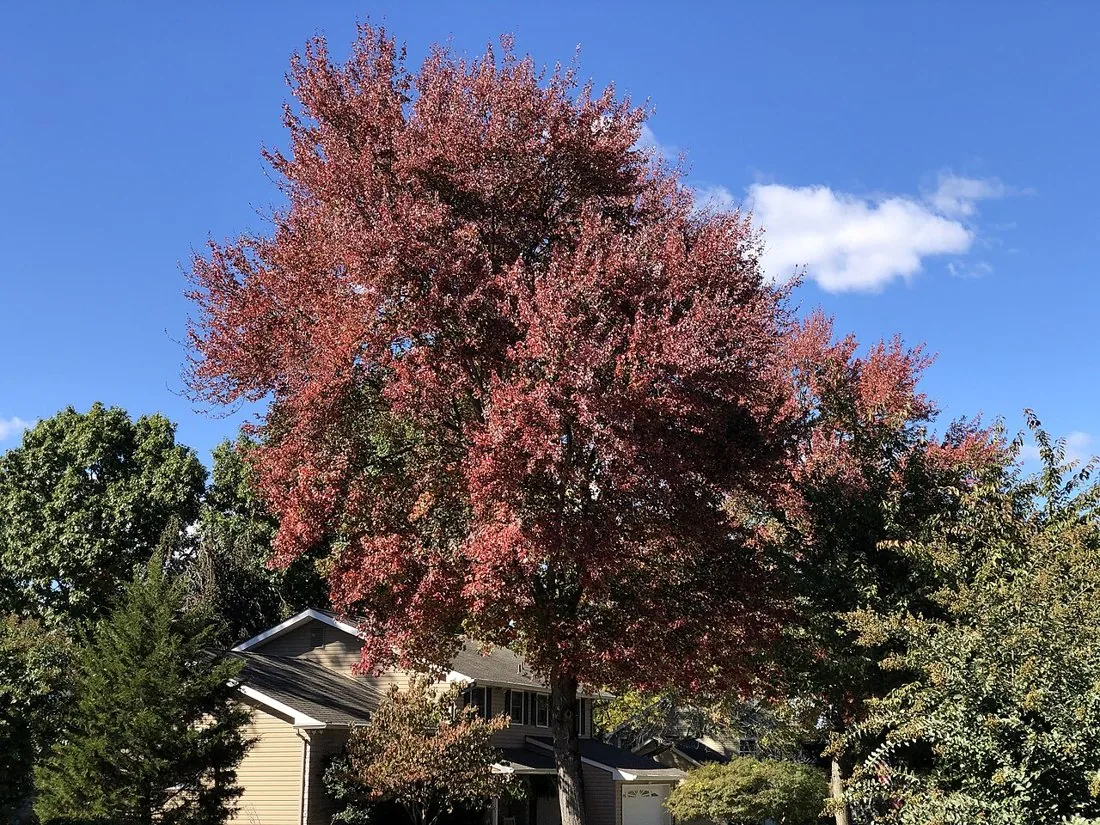
Red maple · Acer rubrum, New Jersey
The wood
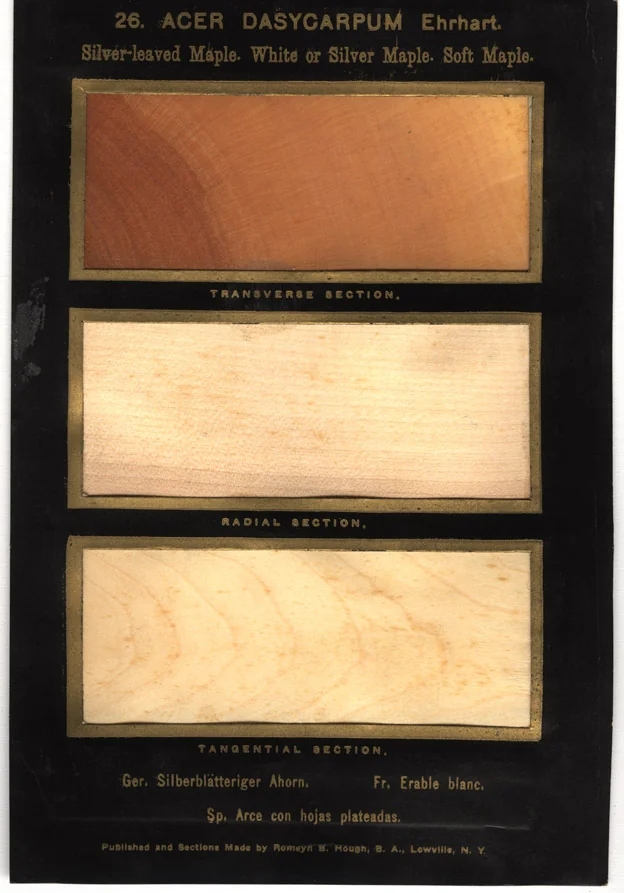
Silver maple · historic wood specimens

What to notice

  • Fine grain
  • Variable pale-to-brown color
  • Scott’s starting point for paint

Fine grain and variable pale-to-brown coloring. Soft maple is still a hardwood; the name distinguishes it from the harder sugar-maple group.

Where it grows

Eastern North America; some species on the Pacific Coast

“Soft maple” is a lumber group, not one species. Red and silver maples grow in eastern North America; bigleaf maple is a western member of the group.

Forests, farms & plantations

These are forest-grown hardwoods. The species and region vary with the supplier, so an eastern soft-maple board and Pacific-coast bigleaf maple need not look or perform exactly alike.

Wood & people

Philadelphia, Pennsylvania · About 1735–1750

A meeting of furniture traditions.

An armchair attributed to Solomon Fussell uses soft maple alongside a hard-maple seat rail. Its form brings together New England and Germanic influences—a reminder that American furniture grew through exchanges between communities of makers.

Read the story · Museum of Fine Arts, Houston →
Sources & photograph credits

Species & history

Photographs

Tree photographs may show cultivated examples outside their native range. The region map describes growing areas, not where the photograph was taken or the verified origin of Scott’s lumber.
Liriodendron tulipifera · Yellow-poplar / tulipwood

Poplar

Subtle grain. Often painted.

The tree
Tulip-poplar · Liriodendron tulipifera
The wood
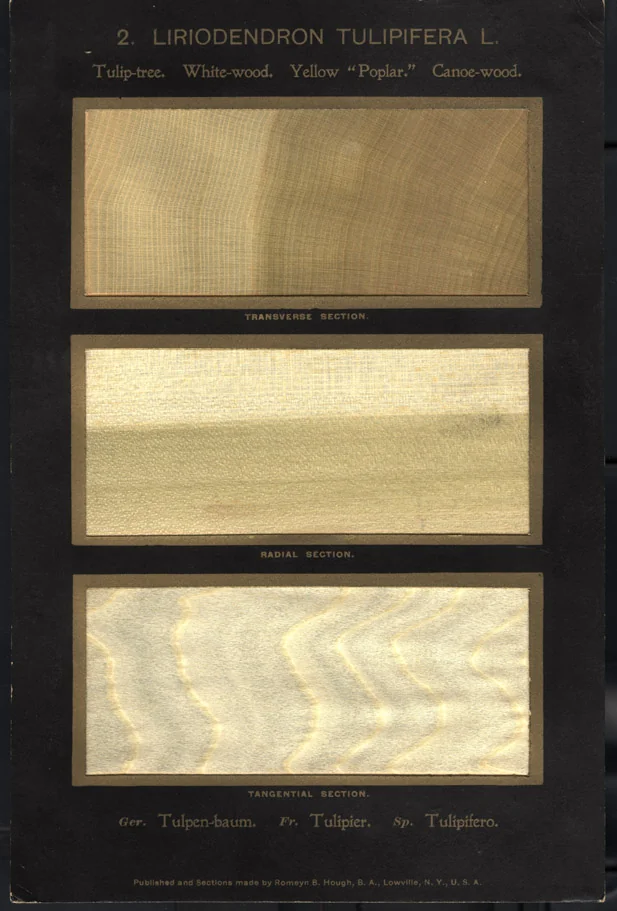
Tulip-poplar · historic wood specimens

What to notice

  • Subtle grain
  • Green, yellow or purple tones
  • Relatively soft wood

Relatively soft, with a subtle grain. Heartwood can carry green, yellow, brown or purple tones—one reason it is often used beneath paint.

Where it grows

Eastern United States

The poplar used in American cabinet shops is usually yellow-poplar, also called tulipwood. It grows across the eastern U.S., with especially productive forests in the Appalachians.

Forests, farms & plantations

Yellow-poplar is harvested from hardwood forests and can regenerate readily on suitable sites. It belongs to the magnolia family, rather than the true poplars of the genus Populus.

Wood & people

Cherokee homelands · Southern Appalachians

A tree shaped into a canoe.

Cherokee makers used tulip-poplar for dugout canoes. Its tall, straight trunk offered a useful starting form for a vessel. A National Park Service collection preserves a canoe that helps tell this woodworking story.

Read the story · National Park Service →
Sources & photograph credits

Species & history

Photographs

Tree photographs may show cultivated examples outside their native range. The region map describes growing areas, not where the photograph was taken or the verified origin of Scott’s lumber.
Find it on the map

Eastern North America

Wood growing regionsRepresentative regional locations, not exact species range boundaries.
Forest regionPlantation example

Points mark regional examples, not exact range boundaries. Timber origin varies by supplier. Map: Natural Earth.

From the guide to the workshop

See the wood
in person.

A screen can only tell you so much. Look through wood and finish samples with Scott, and talk about the door you have in mind.